

Pet Aftercare Options
Reviewed by Dr. Robin Teague, DVM (Colorado); Dr. Tracey Decter, DVM (Florida); Dr. Caroline Garrett, DVM, DACLAM (Utah); and Rob Twyning, PEP (Wisconsin) – The Pet Loss at Home Medical Advisory Team
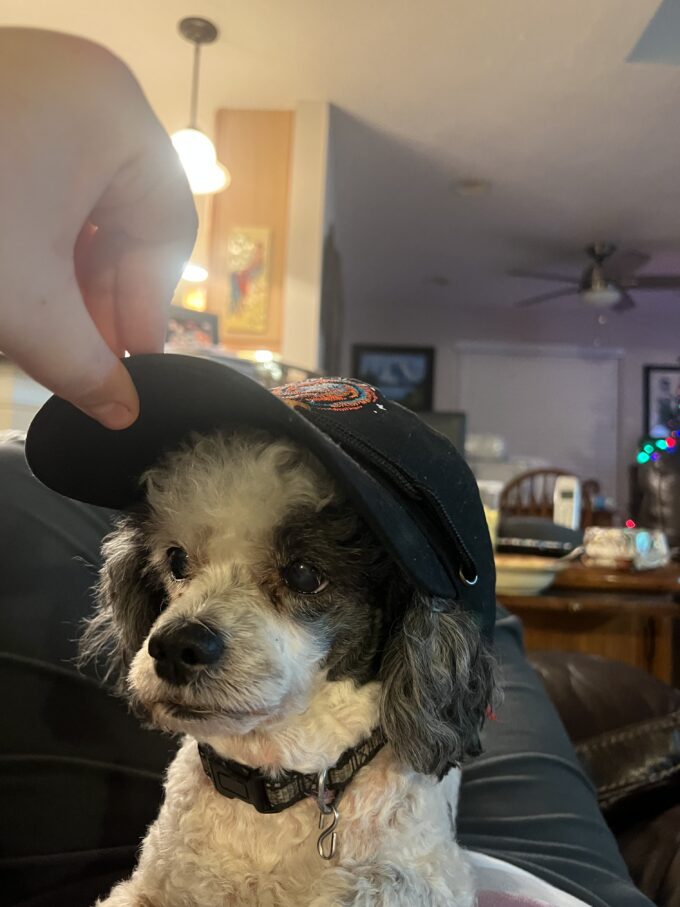
“Angus”
Passed peacefully in 2026 in the comfort of their own home with the help of Pet Loss at Home.
Key Takeaways:
- Deciding on aftercare in advance removes a difficult decision from an already emotional moment.
- Private cremation, communal cremation, aquamation, and home burial are the most common options.
- There is no universally right choice — each option reflects different values and preferences.
- Pet Loss at Home works with trusted aftercare providers to ensure remains are handled with care and dignity.
- Memorialization and aftercare are separate decisions — you can choose both, or neither.
Deciding what happens to your pet’s remains is a personal expression of love. There is no wrong answer. There's only what feels right for you and for them.
When a pet passes, families face a decision about aftercare that many have not previously considered. Having a sense of the options available before the day arrives makes an emotional moment slightly easier to navigate. This page walks through the most common aftercare choices clearly and without pressure, so that families can make a decision that feels meaningful.
What Is Pet Aftercare?
Pet aftercare refers to the care and handling of a pet’s remains following their death. Options include various forms of cremation, home burial, and cemetery burial. The goal of aftercare is to handle a pet’s remains with dignity and in a way that feels aligned with the family’s values and wishes.
Private Cremation
In private cremation, your pet is cremated individually, and their ashes are returned to you. This option is chosen by families who want to keep their pet’s ashes, scatter them in a meaningful place, or incorporate them into a memorial.
- Your pet is cremated alone — no other pets’ ashes are commingled.
- Ashes are typically returned within several days in an urn or container.
- You may choose to scatter ashes, keep them at home, or place them in a memorial garden.
- A variety of urn styles and custom memorialization options are often available.
Communal Cremation
In communal cremation, multiple pets are cremated together. Ashes are not returned to individual families but are typically scattered in a memorial garden or dedicated location by the cremation provider.
- A lower-cost option for families who do not wish to keep their pet’s ashes.
- Handled with care and dignity by the cremation provider.
- Ashes may be scattered in a meaningful natural setting.
Aquamation (Alkaline Hydrolysis)
Aquamation — also known as alkaline hydrolysis or water cremation — is a water-based alternative to flame cremation. The process uses water, heat, and alkaline solution to gently break down organic material, resulting in a fine, white ash that is returned to the family.
- Increasingly available and chosen by families who prefer a gentler or more environmentally conscious process.
- The resulting ash is finer and typically more voluminous than flame cremation ash.
- Availability varies by region — your Pet Loss at Home care coordinator can confirm availability in your area.
Home Burial
Home burial allows families to bury their pet on their own property. Regulations governing home burial vary by municipality and state, including rules about burial depth, distance from water sources, and whether the practice is permitted in your area at all.
- Check local regulations before proceeding with home burial.
- Biodegradable burial options are available for families who prefer an environmentally conscious approach.
- A simple grave marker, planted shrub, or garden stone can create a meaningful permanent memorial.
Pet Cemetery Burial
Formal pet cemetery burial is available in many areas and offers a dedicated, maintained resting place for a pet. This option may appeal to families who want a permanent external location to visit and to grieve.

“Aftercare is not an administrative task. It is part of the goodbye. Take the time to choose something that feels right for your family, not just what is easiest in the moment.”
Rob Twyning, PEP & Owner — Pet Loss at Home
Memorialization
Regardless of which aftercare option a family chooses, memorialization — the act of creating a lasting tribute — is a separate and deeply personal choice. Common memorialization options include:
- Paw print casting or ink impressions
- A lock of fur preserved in a locket or frame
- Custom jewelry incorporating ashes or fur
- A commissioned portrait or illustration
- A planted tree, shrub, or perennial in the garden
- A dedicated photo album or memory book
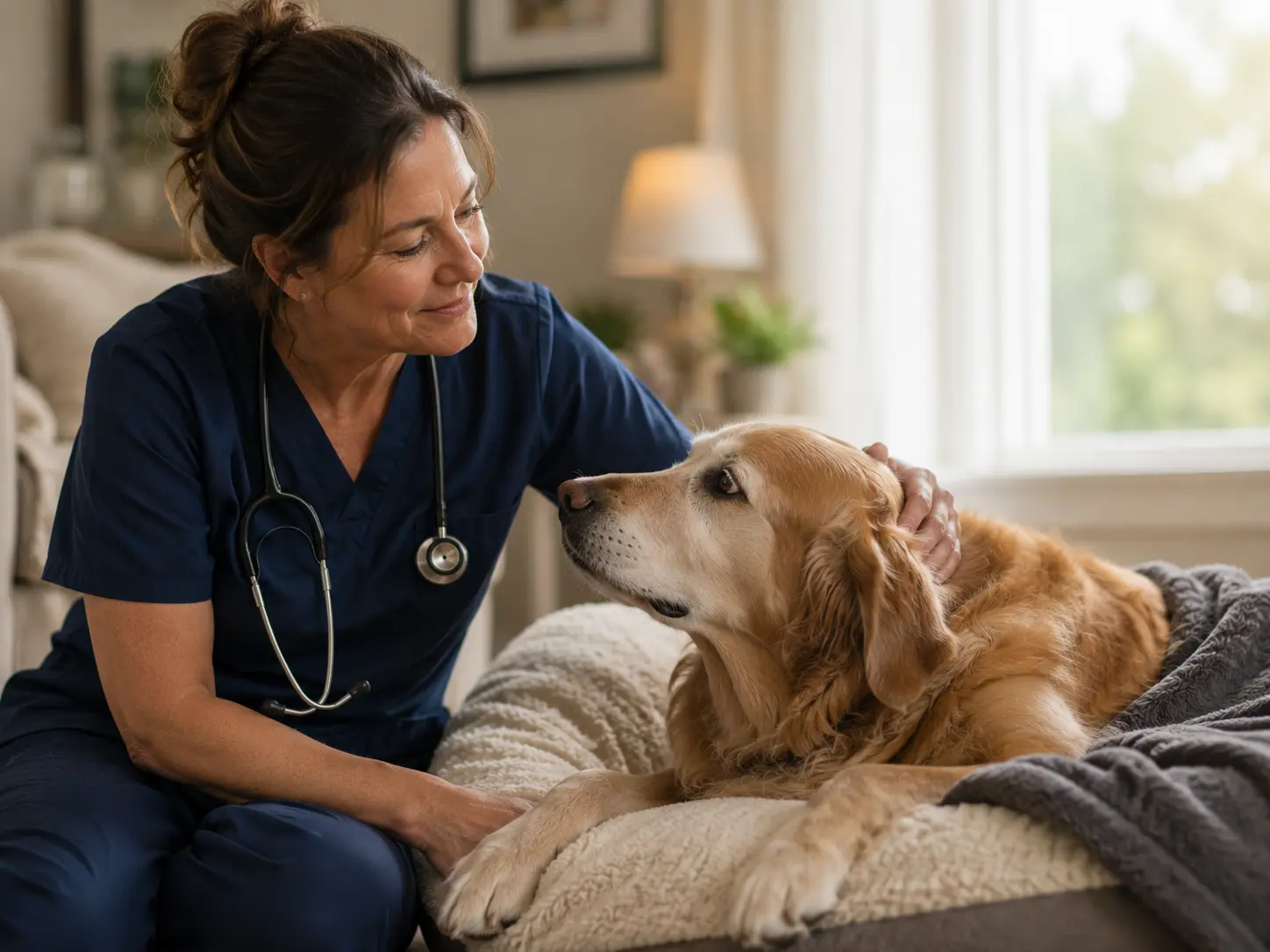
Your Pet Loss at Home veterinarian can assist with paw prints and fur clippings at the time of the visit, if you would like these keepsakes.

Speak With a Care Coordinator
Call (877) 219-4811 to discuss aftercare options available in your area.

Frequently Asked Questions
What is the difference between private and communal cremation?
In private cremation, your pet is cremated alone and their ashes are returned to you. In communal cremation, multiple pets are cremated together and ashes are not returned individually. Private cremation costs more but allows families to keep or scatter their pet’s ashes.
What is aquamation?
Aquamation (alkaline hydrolysis) is a water-based cremation alternative that uses water, heat, and an alkaline solution to process remains. It results in a fine ash returned to the family and is considered by many to be a gentler and more environmentally friendly alternative to flame cremation. Availability varies by region.
Can I bury my pet in my backyard?
Home burial regulations vary by state and municipality. Some areas permit it with specific requirements (burial depth, distance from water); others do not. Check your local regulations before proceeding. Your Pet Loss at Home care coordinator can provide general guidance for your area.
Do I need to decide on aftercare before the visit?
It is helpful but not required to decide in advance. Having a plan removes one decision from an already emotional moment. Your care coordinator can discuss options with you before the visit and help you arrange aftercare in a way that feels right.

How We Created This Guide
This page was developed in collaboration with licensed veterinarians who specialize in end-of-life pet care. All clinical guidance has been reviewed for medical accuracy. Our editorial process prioritizes compassion, clarity, and evidence-based information to help families navigate one of the hardest decisions they will ever face.