

What to Expect After Your Pet Passes
Reviewed by Dr. Robin Teague, DVM (Colorado); Dr. Tracey Decter, DVM (Florida); Dr. Caroline Garrett, DVM, DACLAM (Utah); and Rob Twyning, PEP (Wisconsin) – The Pet Loss at Home Medical Advisory Team
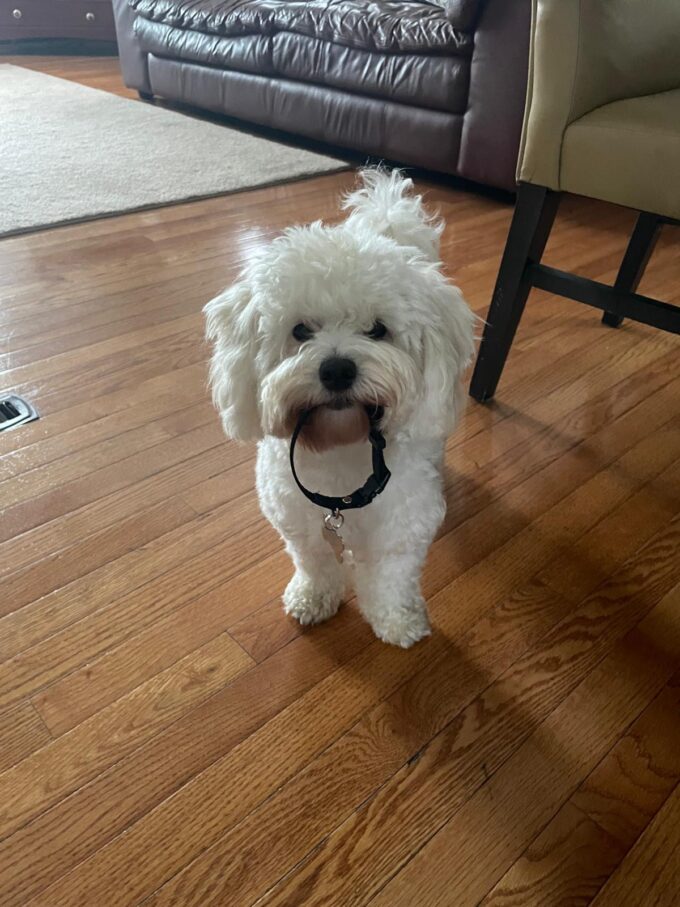
“Mayito”
Passed peacefully in 2025 in the comfort of their own home with the help of Pet Loss at Home.
Key Takeaways:
- Grief for a pet is real grief, and it does not follow a predictable schedule.
- The first days after a pet passes can feel disorienting. Small, practical routines help.
- Other pets in the household may show behavioral changes and need gentle attention.
- There is no correct way to memorialize a pet — what feels meaningful is meaningful.
- If grief becomes overwhelming or persistent, professional support is available and appropriate.
The house will feel different. The absence is real. Give yourself permission to feel exactly what you’re feeling for as long as you need to.
The moment a beloved pet passes, the world does not return to normal. There is a particular kind of silence that settles into a home after a pet is gone — in the spot where the bed was, in the kitchen at feeding time, at the door in the evening. That silence is grief, and it is real.
This page is for the hours, days, and weeks that follow. It covers what you might feel, what to expect practically, and how to take care of yourself and your family through a loss that is significant and deserves to be treated as such.
The First Hours
In the immediate aftermath of a pet’s passing, many families describe a combination of sadness, relief, exhaustion, and numbness. All of these are normal. The relief you may feel — that your pet is no longer suffering — is not a betrayal. It is a natural response to the end of a painful vigil, and it does not diminish your love.
In the first hours, there is nothing you need to do except take care of yourself. Drink water. Sit quietly. Let yourself feel what you feel without judgment.
Practical Matters in the First Days
After the initial grief, there are a few practical things that families typically address in the days that follow:
- Aftercare for your pet’s remains, if not already arranged — your Pet Loss at Home veterinarian will assist with this.
- Deciding when and how to put away your pet’s belongings. There is no right timeline. Some families find it helpful to do so quickly; others keep items in place for weeks. Follow what feels right.
- Informing close friends, family, or your pet’s regular veterinarian. Many families find comfort in sharing the news; others prefer privacy initially.
- Notifying any relevant service providers — pet insurance, boarding facilities, or subscriptions.
Grief After Pet Loss
The grief that follows the loss of a pet is real grief – neurologically, emotionally, and socially. Research in human-animal bond studies confirms that pet loss triggers the same grief responses as the loss of a close human relationship. If those around you do not understand the depth of what you are feeling, that does not diminish its validity.
Common grief experiences after pet loss include:
- Waves of sadness that come unexpectedly that are triggered by a sound, a smell, or a familiar time of day
- Guilt, even when the decision was clearly the right one
- Difficulty concentrating or a sense of low-level disorientation
- Dreams about your pet
- A reluctance to remove their belongings or change their routines
All of these are normal expressions of grief. They do not indicate that something is wrong with you, but they do indicate that the bond you shared was meaningful.
Other Pets in the Household
Dogs and cats who have lost a companion animal often show behavioral changes in the days and weeks that follow. They may search the house, appear subdued or listless, lose interest in food, or vocalize more than usual. These are expressions of disorientation and, potentially, their own form of grief.
Maintaining routines, offering extra attention, and allowing surviving pets to adjust at their own pace are the most helpful approaches. If behavioral changes are severe or persist beyond a few weeks, a conversation with your veterinarian is worthwhile.

“The bond between a pet and their family is real and profound. Grief after that loss deserves the same compassion we give to any significant loss. Please be kind to yourselves.”
Rob Twyning, PEP & Owner — Pet Loss at Home
Memorialization
There is no obligation to memorialize a pet in any particular way. Some families find great comfort in a physical memorial, whether it’s a paw print, a small garden stone, a framed photo, or a piece of custom jewelry incorporating their pet’s ashes. Others prefer private remembrance. Both are equally valid.
What matters is that you honor the loss in whatever way feels true to you and to who your pet was in your life.
When to Seek Additional Support
If grief becomes overwhelming, persistent, or begins to significantly interfere with daily life after several weeks, professional support is available and appropriate. Pet loss grief counselors, therapists with experience in human-animal bond grief, and pet loss support groups can all provide meaningful help.
Grief for a pet is not something to push through alone. Asking for support is a sign of strength, not weakness.

We're Here If You Need Us
Call (877) 219-4811. Our care team is available to support you before, during, and after your pet’s passing.

Frequently Asked Questions
How long does grief after pet loss last?
There is no standard timeline. Many people find acute grief most intense in the first weeks, followed by a gradual adjustment. For some, significant grief persists for months. The depth and duration of grief often reflects the depth of the bond, which is different for every person and every relationship.
Is it normal to feel relief after my pet passes?
Yes. Relief is a very common response, particularly after a period of watching a beloved pet suffer. It does not mean you wanted your pet to die… it just means you wanted their suffering to end. That is love.
How do I help my other pets after one of them passes?
Maintain routines as much as possible, offer extra attention and gentle interaction, and allow surviving pets to adjust at their own pace. If behavioral changes are severe or prolonged, consult your veterinarian.
Should I get another pet?
This is a deeply personal decision with no universal timeline. Some families find comfort in welcoming a new pet relatively quickly; others need months or years. Neither choice is wrong. Give yourself the time you need without pressure in either direction.

How We Created This Guide
This page was developed in collaboration with licensed veterinarians who specialize in end-of-life pet care. All clinical guidance has been reviewed for medical accuracy. Our editorial process prioritizes compassion, clarity, and evidence-based information to help families navigate one of the hardest decisions they will ever face.